Coffee supply chains look stable until they are not. One sudden shock can turn a normal export week into a scramble of rerouted containers, delayed trucks, and anxious buyers trying to protect their roast schedule.
That is the real story behind the latest export disruption in Colombia. And it is also a useful lens for any roaster or trader sourcing green coffee from Indonesia. The takeaway is not fear. The takeaway is preparedness.
This article opens with the Colombia update, then breaks down what it signals for green coffee procurement, and ends with how Le Green Coffee operates as an Indonesian Coffee Supplier built around quality assurance, traceability, and logistical resilience.
Colombia’s export gateway reopens, but only in part
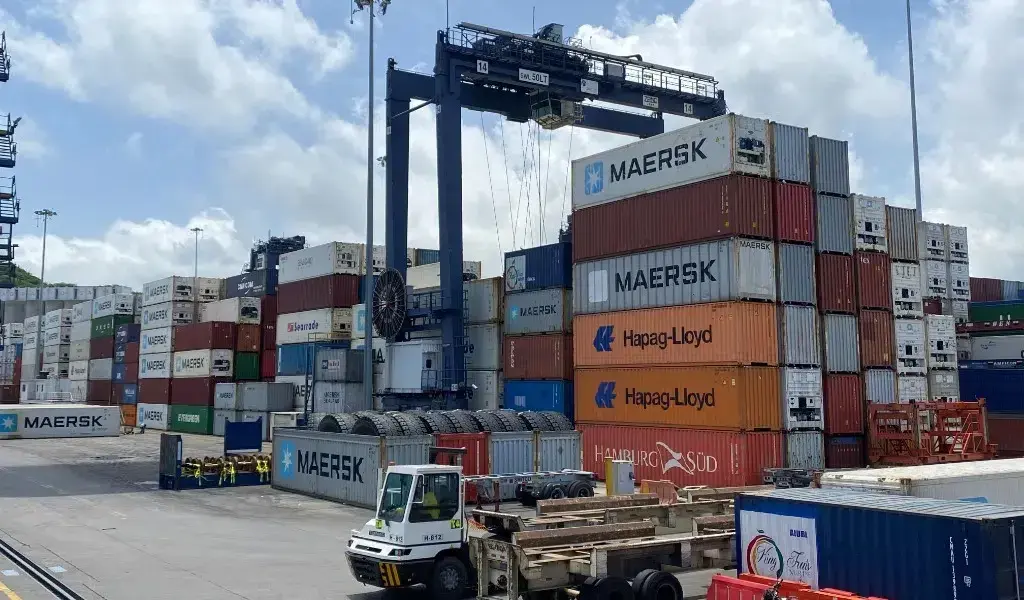
Recent reporting shared by Global Coffee Report noted that Buenaventura, Colombia’s primary Pacific port, has started moving coffee exports again after a strong 7.4 magnitude earthquake earlier in the week.
Exports did not snap back to normal overnight. Heavy cargo vehicles were able to resume movement through the port, yet traffic was still described as limited and irregular. Exporters began dispatching shipments again, and early statements indicated that coffee processing and milling sites did not appear to suffer major damage.
To keep exports flowing, shippers were advised to spread the load across other regional ports such as Cartagena, Santa Marta, and Puerto Antioquia.
Buenaventura is not only important for coffee. It is also a major channel for other Colombian commodities, which means recovery is complex because multiple industries depend on the same infrastructure.
What this kind of disruption signals for coffee buyers
Even when production facilities remain intact, the pressure point often shifts to logistics. For buyers, that creates practical risks that show up fast.
1. Delivery windows become harder to trust
When port operations are constrained, shipping schedules can change quickly. Loading slots tighten, trucking becomes slower, and carriers may reshuffle departures. The result can be:
• Uncertain ETAs
• Longer dwell time before departure
• Higher chance of running low on green inventory
• More need for buffer stock
2. Delays can turn into quality surprises
Green coffee can travel well, but it is not invincible. Extra time sitting in humid environments or being handled repeatedly increases the chance of quality drift.
This is where measurable stability checks matter. Moisture content and water activity are not just lab numbers. They are indicators that help protect cup profile during storage and shipping.
3. Rerouting adds paperwork complexity
Diverting shipments to alternative ports can be the smartest move, but it also increases the chance of documentation errors. If a supplier’s traceability system is weak, buyers may face:
• Confusing lot identification
• Missing chain-of-custody details
• Slower clearance and coordination
• Compliance gaps that create headaches downstream
In today’s market, buyers are not simply purchasing coffee. They are purchasing confidence that the coffee can be proven, tracked, and delivered under pressure.
Resilience belongs in the quality conversation
Traditionally, quality meant variety, altitude, processing, and cup score. Those still matter. But the Colombia situation highlights another reality.
A coffee can be excellent at origin and still become a sourcing problem if the exporter cannot protect it through disruption.
Resilience is operational, not inspirational:
• Repeatable quality control
• Documentation that stays consistent even when routes change
• Fast, clear communication
• Logistics planning that anticipates constraints
That mindset is built into how Le Green Coffee works.
Le Green Coffee as an Indonesian Coffee Supplier built for dependable sourcing
Based in Surabaya, East Java, Le Green Coffee supports buyers across a range of needs, from small sample evaluations to bulk and export-scale programs. We source across Indonesian origins and focus on professional QA, transparent documentation, and buyer-oriented support.
Quality control with real measurements
We treat quality as something you can verify, not something you have to guess.
Our team includes certified coffee professionals who evaluate lots using standardized sensory and physical protocols. Each batch is supported by checks such as:
• Moisture targets aligned with shipping stability
• Water activity measurement to reduce storage risk
• Screen size and defect analysis using calibrated tools
• Sample roasting and cupping with consistent procedures
• Pre-export rechecks to confirm readiness before dispatch
When logistics slow down, coffee that is properly prepared and verified is far less likely to arrive with unexpected changes.
Traceability and EUDR readiness embedded in the workflow
Compliance expectations are rising, and buyers increasingly need proof of origin and chain-of-custody.
Le Green Coffee maintains end-to-end traceability and lot-level documentation, including geolocation data and chain-of-custody records designed to support EUDR requirements.
If a shipment route changes or timelines shift, the lot documentation remains organized. Buyers can still match coffee to records without confusion.
Farmer partnerships that improve consistency upstream
Supply stability starts before the coffee reaches a warehouse.
We work directly with farmers and local partners and support them with training and practical tools that help improve processing consistency and quality outcomes. Better discipline at origin reduces defects and makes lots more repeatable.
Processing options that match buyer goals
Indonesia offers a wide spectrum of processing styles. We help buyers choose what fits their program and risk tolerance:
• Washed coffees for clean structure and consistency
• Naturals and honey processes for distinctive profiles and higher complexity
• Wet-hulled coffees for classic Indonesian body and character
We also communicate how processing affects cost, risk, and consistency so buyers can plan realistically.
Flexible ordering that supports real sourcing decisions
A dependable supplier should make it easy to test, then scale.
Le Green Coffee supports:
• 1 kg samples for evaluation
• 5 to 20 kg bulk orders
• Larger volumes up to container-scale export
This allows roasters to validate cup profile and performance before committing to long-term volume.
A stable anchor example: washed Flores coffee
One of our flagship washed offerings comes from the Flores highlands. Washed processing is often selected by buyers who want clarity and repeatability.
The cup direction typically leans toward citrus brightness, nutty sweetness, chocolate and caramel notes, and a clean finish. It performs well across brew methods and can be roasted light to medium to preserve complexity.
More importantly, it is supported by the same QA and documentation system applied across our lots.
A quick checklist for evaluating suppliers after a disruption headline
If you are reviewing suppliers, these questions help reveal whether the operation is built for stability:
1. How do you verify moisture and water activity before export?
2. Can you provide lot-level traceability and chain-of-custody records?
3. What is the plan if a shipment needs to be rerouted?
4. How fast do you communicate updates during delays?
5. Can you support both samples and scale-up volumes?
Clear answers reduce risk. Vague answers usually become expensive later.
Connect with Le Green Coffee
The Colombia port disruption is a reminder that coffee logistics can change quickly. If you want an exporter that treats resilience as part of quality, let’s build your sourcing plan together.
Reach out to Le Green Coffee to request samples, discuss current availability, and secure Indonesian green coffee supported by professional QA, traceability, and export-ready documentation.
Sources:
• https://www.gcrmag.com/buenaventura-port-resumes-coffee-exports/
• Brain AI documents summary