The Indonesian coffee industry is experiencing one of its most challenging periods in recent history. For Sumatra coffee suppliers and buyers alike, the current market conditions present unprecedented obstacles that are reshaping how business is conducted. At the heart of this disruption lies Aceh Gayo coffee, one of Indonesia’s most prized specialty coffee origins, now caught in a perfect storm of delayed harvests and record-breaking prices.
The Harvest That Never Came on Time
Traditionally, coffee farmers in the Gayo Highlands of Aceh Province anticipate their main harvest season to begin in late September. This predictable cycle has allowed Sumatra coffee suppliers to plan their procurement strategies, manage inventory, and provide reliable delivery schedules to international buyers. However, 2025 has proven to be anything but traditional.
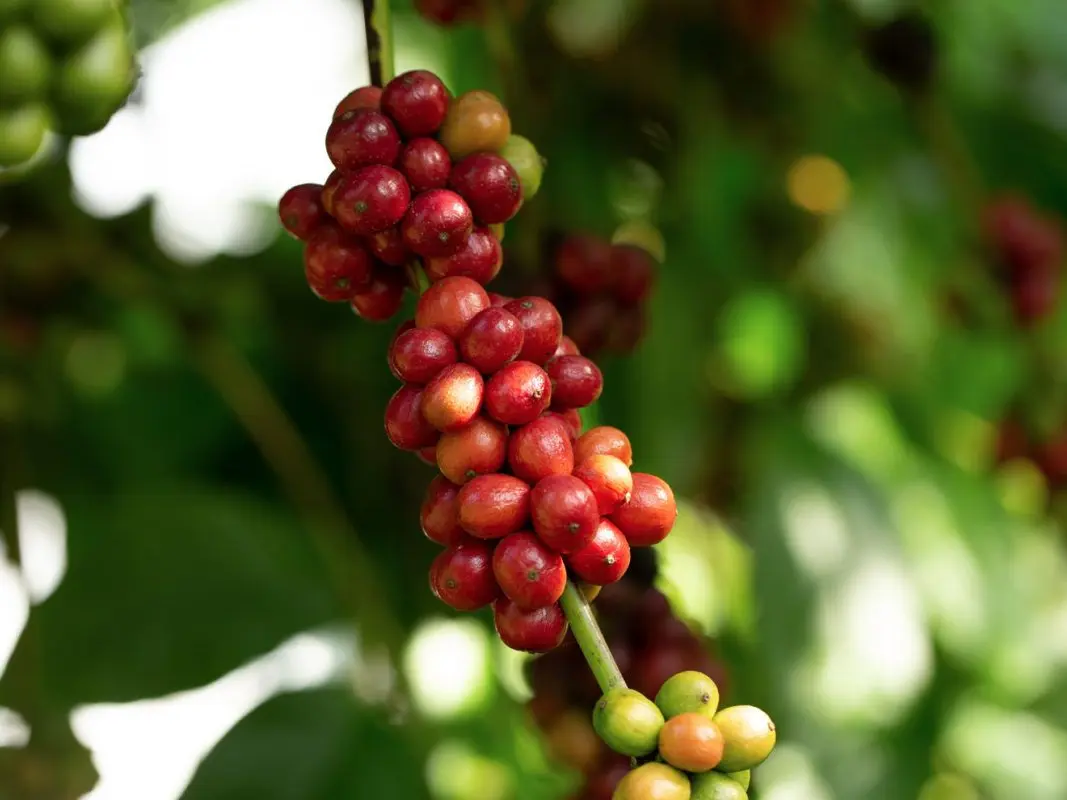
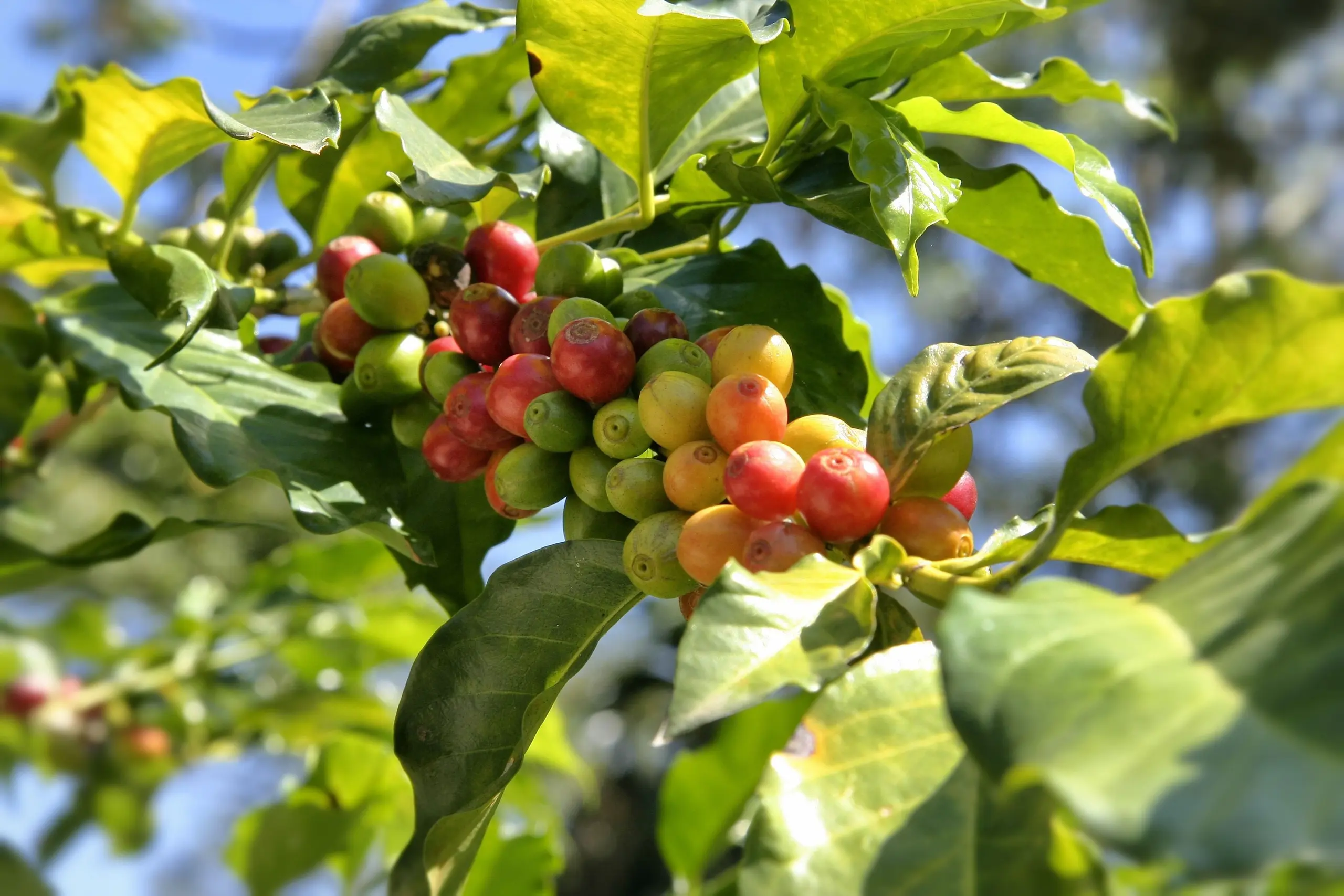
As October turned to November, the expected harvest failed to materialize on schedule. Trees that should have been laden with ripe cherries remained stubbornly underdeveloped. Farmers accustomed to generations of consistent seasonal patterns found themselves waiting, watching, and worrying. The delay has created a ripple effect throughout the entire supply chain, from smallholder farmers to exporters and roasters worldwide who depend on Aceh Gayo coffee for their specialty blends.
Climate Change: The Invisible Hand
While no single factor can be definitively blamed, the evidence increasingly points toward global climate change as a primary culprit behind these harvest disruptions. The delicate balance of temperature, rainfall, and seasonal patterns that coffee plants require has been thrown into disarray.
Coffee arabica, the species predominantly grown in the Gayo Highlands, thrives within specific climatic parameters. Even slight variations in temperature or precipitation patterns during critical flowering and fruit development stages can significantly impact harvest timing and yield. The Gayo region, situated at elevations between 1,200 and 1,700 meters above sea level, has historically provided ideal conditions. However, shifting weather patterns have introduced unpredictability that challenges even the most experienced farmers.
Extended dry periods followed by unseasonal rains, temperature fluctuations outside historical norms, and altered flowering cycles have all contributed to the delayed maturation of coffee cherries. For farmers whose livelihoods depend on predictable harvest cycles, this uncertainty represents not just an economic challenge but an existential threat to traditional agricultural practices.
Record Breaking Prices: A Market in Turmoil
Compounding the harvest delay is a price surge unlike anything the Indonesian coffee market has witnessed in decades. Aceh Gayo coffee prices have reached historic highs, creating both opportunity and anxiety throughout the supply chain.
Several factors have converged to drive prices upward. The delayed harvest has created immediate supply constraints, with buyers competing for limited available inventory. When supply tightens and demand remains constant or increases, basic economic principles dictate that prices will rise. However, the current situation extends beyond simple supply and demand dynamics.
The entry of foreign companies into the Indonesian coffee procurement landscape has intensified competition for available lots. These international players, often backed by substantial capital and motivated by long-term strategic positioning, have demonstrated willingness to pay premium prices to secure supply. Their presence has fundamentally altered the competitive environment for traditional Sumatra coffee suppliers, who now find themselves bidding against well-funded competitors for the same limited coffee.
For farmers, the high prices represent a silver lining to the harvest delay. Those with inventory to sell are receiving unprecedented returns. However, the situation creates challenges for the broader ecosystem. Processors, exporters, and roasters who committed to contracts at lower prices now face margin compression or potential losses. The volatility makes financial planning extremely difficult across the entire value chain.
The Waiting Game: Paralysis in the Market
Perhaps the most striking aspect of the current market situation is the widespread hesitation among buyers. Small and medium-sized buyers, in particular, have adopted a wait-and-see approach, hoping that prices will eventually retreat from their current peaks.
This cautious stance is understandable. Many buyers have experienced market cycles where temporary price spikes eventually corrected as supply normalized. The hope is that once the delayed harvest finally arrives in full force, increased supply will moderate prices. However, this strategy carries significant risks.
The unknown factors in the current situation are numerous and complex. Will the delayed harvest eventually produce normal volumes, or has the climatic disruption also affected yield? When foreign competitors secure supply at current high prices, does that establish a new price floor that prevents significant correction? How will ongoing climate variability affect future harvests? These questions lack clear answers, creating a fog of uncertainty that paralyzes decision making.
For Sumatra coffee suppliers like Le Green Coffee, navigating this environment requires balancing multiple considerations. Maintaining relationships with farmer partners means offering fair prices that reflect current market realities, even when those prices seem unsustainably high. Serving buyer clients requires transparency about market conditions while managing expectations about pricing and availability. The role of the supplier becomes less about simply facilitating transactions and more about providing market intelligence, risk assessment, and strategic guidance.
Quality Considerations in Challenging Times
Amid price pressures and supply constraints, quality considerations become even more critical. The same climatic factors that delayed the harvest can also impact the physical and sensory characteristics of the coffee itself. Aceh Gayo coffee is prized for its full body, low acidity, and complex flavor profile featuring earthy, herbal, and spicy notes. Maintaining these quality standards during a disrupted harvest requires vigilance.
Professional quality control becomes essential in this environment. At Le Green Coffee, every lot undergoes rigorous evaluation by CQI certified and SCA Q Grader certified professionals. Physical analysis including moisture content, water activity, screen size, and defect count ensures that only coffee meeting strict standards reaches buyers. Sample roasting and standardized cupping protocols verify that sensory characteristics meet expectations for specialty and commercial grades.
When supply is tight and prices are high, the temptation may exist throughout the supply chain to compromise on quality standards to maximize volume. However, this short-term thinking damages long-term reputation and relationships. Buyers who pay premium prices for Aceh Gayo coffee expect premium quality. Suppliers who maintain standards during challenging times build trust that pays dividends when markets normalize.
Looking Forward: Adaptation and Resilience
The current situation facing Sumatra coffee suppliers and the broader Indonesian coffee industry represents more than a temporary market disruption. It may signal a new normal characterized by increased volatility, climate-driven unpredictability, and intensified international competition.
Adaptation will require innovation at every level. Farmers may need to explore climate-resilient varieties, improved agronomic practices, and diversification strategies. Suppliers must develop more sophisticated risk management approaches, strengthen farmer relationships, and provide value beyond simple transaction facilitation. Buyers will need to reconsider procurement strategies that prioritize relationship-based sourcing over purely transactional spot buying.
The challenges are significant, but so are the opportunities. Aceh Gayo coffee remains one of the world’s most distinctive and sought-after origins. The farmers who cultivate it possess generations of expertise. Suppliers who can navigate complexity and maintain quality standards will emerge stronger. The current crisis, while painful, may ultimately drive positive transformation throughout the Indonesian coffee sector.
For now, the market waits. Harvest will eventually come. Prices will eventually find a new equilibrium. The question is not whether these things will happen, but when, and what the coffee industry will look like on the other side.