Trending Coffee, Future of Coffee
Arabica Is Rising Again: How Conflict and Weather Risks Are Reshaping Green Coffee Buying
Published: April 29, 2026 08:37 AM
Written by: Admin
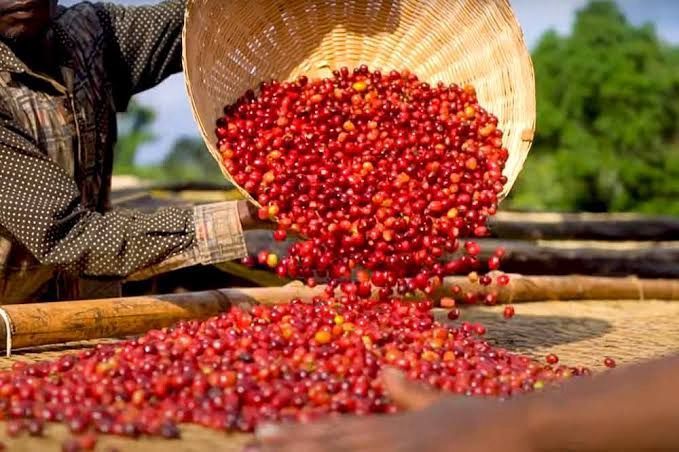
Arabica futures have been moving higher again, and the reasons behind the rally are not just “coffee market noise.” For green coffee buyers, this is a signal that risk is being repriced across the supply chain. When conflict threatens key shipping routes and weather stress hits major producing origins, the market tends to react quickly, and procurement teams are forced to make decisions with less certainty.
A recent industry update highlighted that Arabica futures climbed sharply in a short window, with rising concerns around Middle East conflict and weather conditions affecting Brazilian crops. It also noted the market impact of potential disruptions around the Strait of Hormuz, as well as declining certified stockpiles of both Arabica and Robusta reported via Bloomberg. Add Brazil’s drought risk and currency dynamics, and you get a familiar result: tighter perceived supply and higher price volatility.
1) Why Arabica futures are climbing again
Arabica futures often act like a pressure gauge for global coffee risk. Prices do not move on a single factor. They move when multiple risks stack up at the same time and the market starts paying more for uncertainty.
Here are the key drivers behind the latest move.
Conflict risk and logistics costs
When geopolitical conflict escalates, freight markets can tighten quickly. Even if coffee itself is not directly blocked, the cost of moving any commodity can rise due to:
• Higher insurance premiums
• Longer routes and rerouting
• Port congestion and schedule disruption
• Increased fuel costs and risk surcharges
The Strait of Hormuz is one of the world’s most strategically important shipping corridors. If markets believe disruption could be prolonged, the impact can spread across agricultural commodities, including coffee, because logistics is part of the delivered cost.
Weather risks in Brazil
Brazil remains the dominant force in Arabica supply. When drought threatens crop yields, the market reacts early because buyers and traders price in the possibility of lower output before the harvest is fully known.
Weather risk also affects:
• Flowering and fruit set
• Bean development and size distribution
• Harvest timing and availability
• The probability of uneven quality and higher sorting losses
Even if the final crop ends up “fine,” the risk premium can remain elevated while uncertainty is high.
Brazilian real & selling behavior
A stronger Brazilian real can reduce producers’ incentive to sell at current futures prices, easing near-term supply pressure and supporting prices.
Stockpiles & supply buffer
Falling certified stockpiles (Arabica and Robusta) signal a thinner buffer, making prices more sensitive to disruptions.
2) What this reshaping means for green coffee buyers
If you buy green coffee for a roastery, a trading operation, or a manufacturing facility, rising futures are only part of the story. The bigger shift is that procurement is becoming more complex.
Volatility is not just about pricing. It also affects planning, including budgeting, purchase timing, contract structure, inventory, and cash flow. In stable markets, teams can rely on routine purchasing, but in volatile markets, routines can become costly.
Lead times and availability can change quickly as risk increases. Sellers may hold inventory, buyers may accelerate purchases, and logistics become less predictable, making reliable planning more important.
In these conditions, buyers need clear information on availability, contract terms, substitution options, and documentation. This is why working with a professional Indonesian coffee supplier is important, especially when managing multiple origins and communication across time zones.
3) A practical buyer playbook for 2026
Below are actions that procurement teams can apply without needing a complete overhaul of their sourcing model.
Step 1: Separate core and opportunistic buying
Divide purchases into core volume for essential supply and opportunistic volume for favorable market conditions. This helps secure supply without overcommitting at high prices.
Step 2: Review your contract mix
Balance spot and forward purchases based on actual needs and cash flow. Check your coverage for the next 3 to 6 months, assess margin risk if prices rise, and ensure flexibility if prices fall.
Step 3: Add flexibility in origin planning
Diversify origins to manage risk. Indonesia can support this with different flavor profiles, harvest cycles, and shipping options.
Step 4: Improve forecasting frequency
Use weekly check-ins to track inventory, sales forecasts, incoming shipments, and near-term purchasing needs. Simple and consistent tracking helps avoid rushed decisions.
Step 5: Align procurement and sales
Agree on how to handle cost increases, which products can absorb them, and when contracts need adjustment. For B2B, consider flexible pricing terms during volatile periods.
4) What to watch next: signals that matter
If you want to stay ahead, focus on signals that influence both price and availability.
Weather updates and crop development in Brazil
Track credible weather updates and crop progress. The market often reacts to changes in probability, not just confirmed outcomes.
Freight and insurance conditions
If conflict risk persists, watch for changes in:
• Freight rates
• Transit times
• Insurance costs and route adjustments
These can affect landed cost even when futures are stable.
Stockpiles and visible supply indicators
When certified stockpiles trend downward, the market can become more reactive. Combine this with origin-level availability updates to understand whether the system has a cushion.
Currency moves
FX can change producer selling behavior. If you buy from multiple origins, currency shifts can also change relative competitiveness between suppliers.
If you are reviewing your sourcing plan for 2026, it can help to map suppliers to specific roles. Some suppliers are best for core volume. Others are best for opportunistic buys, seasonal lots, or new-origin trials.
Le Green Coffee works with buyers who want to source Indonesian green coffee with clear communication and practical export readiness. Once the objective is clear, you can structure trials and scale-up plans more efficiently.
Volatility is the new baseline
Arabica futures rising amid conflict and weather risks is not an isolated event. It reflects a broader reality: procurement is being reshaped by overlapping risks that can appear quickly and persist longer than expected.
For green coffee buyers, the goal is not to predict the market perfectly. The goal is to build a buying system that can operate under uncertainty. Separate core and opportunistic volumes, review your contract mix, diversify origins with intention, tighten forecasting, and align procurement with sales.
If you want to explore Indonesia as part of your 2026 sourcing plan, Le Green Coffee can be a starting point for structured trials and scalable supply discussions
Source:
https://www.gcrmag.com/arabica-futures-climb-amid-conflict-and-weather-risks/
Other Articles

Future of Coffee
Arabica vs Robusta Breeding Tools: How WCR's New Initative Could Shape Coffee Supply.
Basic of Coffee