Future of Coffee
Arabica vs Robusta Breeding Tools: How WCR's New Initative Could Shape Coffee Supply.
Published: June 24, 2026 08:11 AM
Written by: Admin
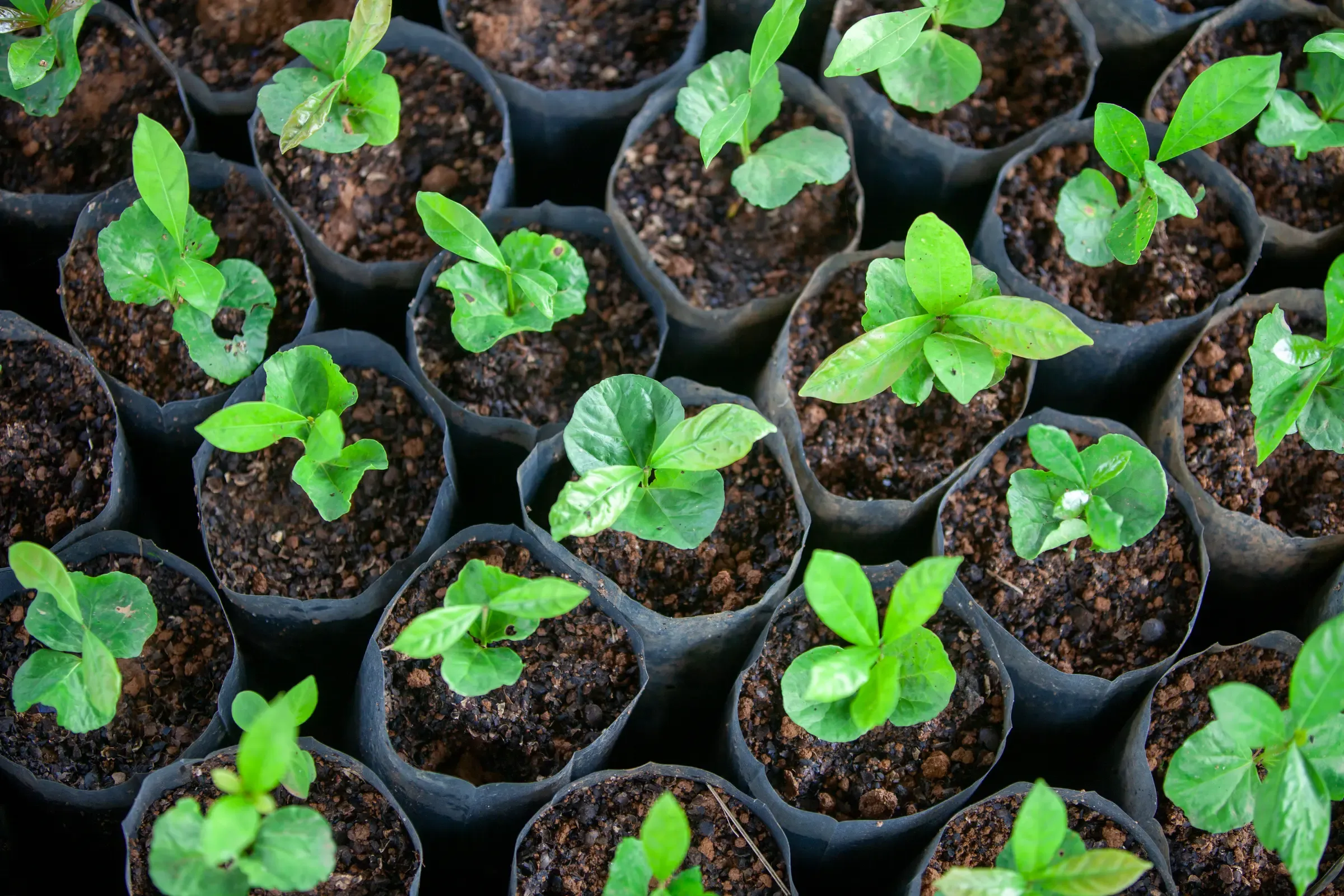
Coffee sourcing used to be mostly about cup profile, price, and logistics. Those still matter, but many roasters, traders, and importers now add a fourth filter: supply resilience. Climate volatility, pest pressure, and disease outbreaks can change production outcomes quickly, while coffee trees take years to mature. That mismatch between fast-moving risk and slow-moving biology is one reason the industry is paying closer attention to breeding.
In June 2026, World Coffee Research (WCR) announced a US$1.5 million initiative to modernise coffee breeding through high-precision tools. This is not just a research headline. It is a signal that breeding speed and accuracy are becoming strategic levers for the future availability of both Arabica and Robusta.
The core problem: coffee breeding is slow, but risks are accelerating
Developing a new coffee variety has traditionally taken 25 to 30 years. Breeders have to cross plants, plant trials, wait for trees to mature, then observe performance across seasons. That timeline made sense when threats changed slowly.
Today, the threat landscape is more dynamic:
• Coffee leaf rust and other diseases can spread rapidly and reduce yields.
• Coffee berry borer and other pests can intensify with changing temperatures.
• Rainfall shifts can create new stress patterns across elevations.
For buyers, this matters because supply disruptions do not only affect volume. They can also affect consistency, contract reliability, and ultimately the ability to plan a menu or product line over multiple years.
What WCR is building: high-precision breeding tools
WCR describes its new initiative as a way to replace slow, observational methods with data-driven precision. The project is supported by a grant from the Foundation for Food and Agriculture Research (FFAR) and matched by co-investment from WCR member companies.
The practical goal is straightforward: help breeding programs identify high-performing plants earlier, with more confidence, and at lower cost.
A key point for market communication is that this approach is non-GMO. It uses the plant’s natural genetic diversity, but applies modern measurement tools to speed up selection.
The big concept: marker-assisted selection
If you are not from an agronomy background, the most useful concept to understand is marker-assisted selection.
Instead of waiting years to see whether a plant resists a disease in the field, breeders can look for genetic markers in the plant’s DNA that correlate with traits such as disease resistance. If the marker is present, the plant is more likely to carry the desired trait.
Why this matters:
• It can confirm breeding potential in weeks rather than years.
• It lowers risk for under-resourced breeding programs.
Why buyers should care: supply security becomes a competitive advantage
Breeding tools can feel far removed from day-to-day procurement. But over time, they influence the varieties farmers plant, which influences farm performance, which influences availability.
If breeding timelines can be cut by half or more, the industry can respond faster to:
• New disease outbreaks
• Climate-driven yield changes
• The need for varieties that perform better in specific environments
This is not a promise that prices will drop or that disruptions will disappear. It is a pathway to reduce long-term vulnerability.
Arabica and Robusta are both in scope, for different reasons
WCR’s initiative includes workstreams for both Arabica and Robusta. That matters because the two species play different roles in the market.
• Arabica is often associated with specialty quality and premium differentiation.
• Robusta (Coffea canephora) now accounts for over 40 percent of global production, supporting commercial blends, espresso structure, and soluble supply chains.
When breeding tools improve, the impact is not limited to one segment. It can influence the stability of both specialty and commercial supply.
What to watch as a buyer
If you buy green coffee regularly, you do not need to become a breeder. But you can start treating breeding progress as a long-term indicator.
Here are three practical signals to track:
1. Whether major institutions are investing in breeding tools and training.
2. Whether origin-country breeding programs are adopting genotyping and marker-assisted selection.
3. Whether new varieties are being released with clearer performance data for disease and climate resilience.
Arabica: quality leadership, but vulnerable to disease pressure
Arabica is still the flagship species for many specialty programs. It is often tied to premium differentiation, origin storytelling, and higher price points.
At the same time, Arabica can be highly exposed to pests and diseases. WCRs initiative includes a workstream focused on mapping genetic markers for major threats, including:
• Coffee berry disease
• Coffee fruit rot
Why this matters for buyers:
1. Disease pressure can reduce yields and tighten availability.
2. When farms struggle, quality consistency can become harder to maintain.
3. Supply disruptions can push buyers into short-term substitutions that do not match their target profile.
Breeding tools that identify resistance markers sooner can help breeding programs release improved varieties faster. Over time, that can reduce the probability of severe supply shocks.
Robusta: more than a commodity story
Robusta (Coffea canephora) now represents over 40 percent of global production. For many buyers, robusta is essential for:
• Commercial blends
• Soluble and instant coffee supply chains
Robusta is also becoming more strategically important as the industry adapts to climate constraints. In many contexts, robusta can offer different agronomic performance compared to arabica.
WCRs initiative includes a foundational genotyping tool for robusta using 3,500 genetic markers. In practical terms, this creates a more modern genetic roadmap so robusta breeding programs can select strong parent trees faster and more accurately.
Why this matters for buyers:
• If robusta breeding becomes more precise, buyers may see improved reliability and performance in the long run.
• It can support more consistent supply for segments that depend on robusta volume.
Training and access: why the third workstream matters
A key part of WCRs initiative is training national breeders in multiple origin countries to use genomic approaches. This matters because the impact of breeding tools depends on adoption.
If advanced tools are only used in a small number of well-funded programs, the market impact is limited. If they become accessible to more origin-country programs, the benefits can spread more broadly.
For buyers, this is a reminder that resilience is not only about one farm or one exporter. It is also about whether origin-country institutions can participate in modern breeding pipelines.
How this connects to Indonesian sourcing
Indonesia supplies both arabica and robusta across diverse islands, elevations, and processing traditions. For buyers, that diversity can be an advantage when building a resilient portfolio.
If you are evaluating an Indonesian Coffee Supplier, consider asking how they think about:
• Long-term species balance
• Origin diversification across regions
• Risk awareness related to pests, diseases, and climate variability
At Le Green Coffee, we view market education as part of supplier responsibility. Buyers should be able to plan with clearer context, not just react to short-term volatility.
WCRs breeding tools initiative is a reminder that coffee supply resilience is increasingly shaped by science, data, and long-term investment. Arabica and robusta will both remain central to the market, but the way varieties are developed and selected is evolving.
If you want to discuss Indonesian supply options across specialty and commercial grades, Le Green Coffee is available for a sourcing conversation.
Source: gcrmag.com
Other Articles
Basic of Coffee
Robusta “Will Save Coffee” Might Be Oversimplified - Here’s What The Study Suggests
Future of Coffee, Trending Coffee