Basic of Coffee
Robusta “Will Save Coffee” Might Be Oversimplified - Here’s What The Study Suggests
17 September 2026 pukul 04.22 · Admin
Basic of Coffee
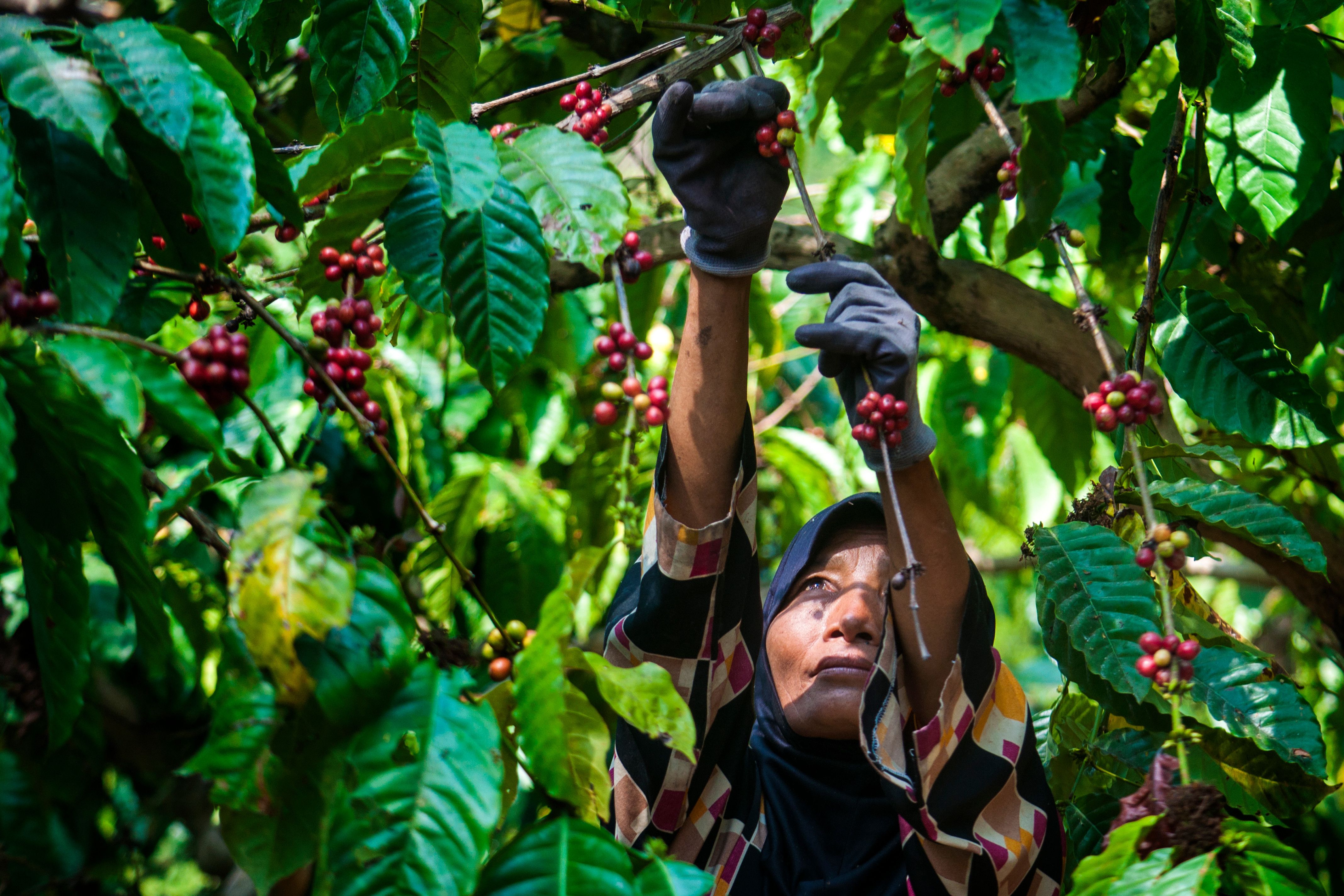
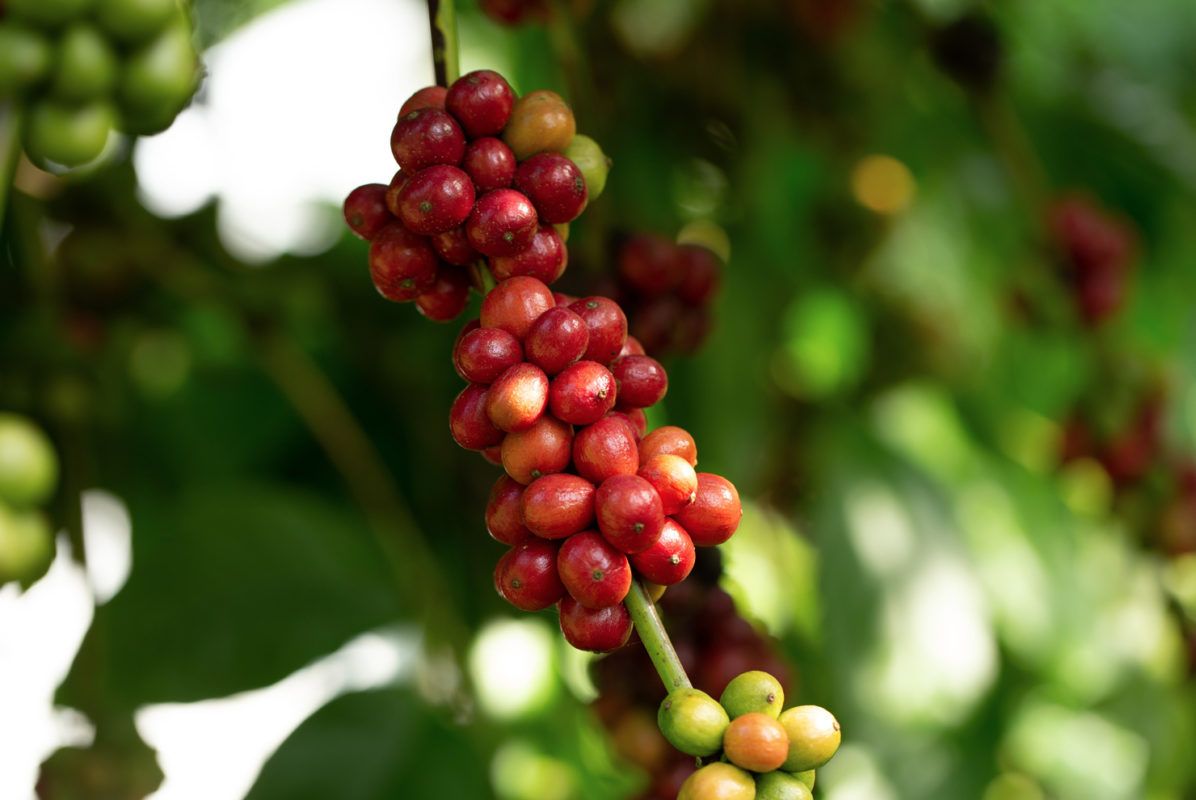
Careful harvesting is one of the most important decisions in the entire coffee chain. Before processing methods, before drying, before milling and shipping, there is a simple reality: coffee starts as fruit, and the best flavor potential comes from cherries picked at peak ripeness.
Many coffee professionals describe harvest as the moment when quality reaches its highest point. After that, almost every step is about protecting what is already there. That is why harvest practices matter so much for anyone who cares about taste, consistency, and the story behind a lot.
Why ripeness matters more than you think
Coffee cherries do not ripen all at once, so a single tree often has fruit at different stages of maturity. Cherries picked at peak ripeness produce sweeter, cleaner, and more expressive coffees, while unripe or overripe cherries can introduce unwanted flavors. That is why harvesting is not just a farm task, but a key decision that shapes the final cup.
The biggest obstacle: topography
One of the greatest challenges in harvesting high quality coffee is the landscape where coffee grows best.
Many of the world’s most exciting coffees come from higher elevations. These areas often have steep slopes, uneven ground, and narrow pathways. That makes harvesting physically demanding and, in some places, genuinely risky.
Because of this, not every harvesting method is possible everywhere. Some regions can use machines. Many cannot. The terrain shapes the harvest, and the harvest shapes the cup.
Machine harvesting: fast, efficient, and less selective
Machine harvesting is most common in places where farms have large areas of relatively flat land and can plant coffee in neat, accessible rows.
Brazil is the classic example. In some high elevation regions, estates can drive large machines down the rows. These machines shake the trees until cherries fall loose.
The advantage is clear: speed and lower production cost. A machine can harvest a large area quickly, which helps farms manage labor shortages and reduce expenses.
The tradeoff is selectivity. Coffee cherries on a branch ripen at different rates, and the machine does not choose. It removes ripe and unripe cherries together, along with leaves and small twigs that also get shaken off.
Because of that, machine harvested coffee usually requires sorting after harvest to separate ripe cherries from unripe ones and to remove debris. The overall harvest can be less uniform, and that can affect flavor consistency.
Machine harvesting is not automatically bad. It is a tool that fits a specific context. But when the goal is the highest possible cup quality, selectivity becomes the key limitation.
Strip picking: quick hand harvesting with similar challenges
In many mountainous coffee regions, harvesting is done by hand because machines cannot operate on steep terrain. One common method is strip picking, where all cherries are removed from a branch in a single motion. It is fast and efficient but collects ripe and unripe cherries together, making additional sorting necessary. Farms often use this approach when labor is limited, weather is a concern, or large volumes need to be harvested quickly.
Selective handpicking: the gold standard for quality
For high quality coffee, selective handpicking remains the most effective harvesting method.
In selective picking, harvesters choose only the cherries that are ready. Unripe cherries stay on the tree and are picked later in another pass. This creates a more uniform harvest and gives the lot a better chance to express sweetness and clarity.
The challenge is that selective picking is hard labor and it takes time. It also requires training and strong management. A picker needs to recognize ripeness accurately and resist the temptation to grab everything.
The incentive problem
In many regions, pickers are paid by weight. That system rewards speed and volume, not selectivity.
If a picker is paid per kilogram, it can be tempting to include unripe cherries to increase weight. For producers focused on quality, this creates a real dilemma.
Quality focused farms often need to work carefully with their picking teams, using better training, supervision, and compensation structures that reward uniform ripeness rather than raw volume.
Labor is becoming a bigger issue worldwide
Labor is one of the largest costs in coffee production, especially for handpicking. In many coffee-producing countries, the challenge is not only labor cost but also labor availability, as fewer people choose harvesting work. As a result, coffees that require careful handpicking often cost more because of the effort needed to harvest them properly, not just factors such as variety or altitude.
Fallen fruit: why it is handled separately
Not all coffee cherries are picked from the tree. Growers also collect fruit that falls naturally to the ground, but it is usually kept separate and used for lower quality lots. Removing fallen cherries helps reduce pests such as the coffee berry borer and keeps the farm cleaner, although this fruit is generally not considered equal to carefully harvested ripe cherries.
Sorting after harvest: protecting the lot
Because many harvesting methods collect mixed ripeness cherries, sorting becomes a crucial next step.
Sorting is the process of removing unripe, overripe, and defective cherries before processing. This helps improve uniformity and reduces the risk of off flavors.
Hand sorting
In regions with lower labor costs and limited access to equipment, sorting is often done by hand. Workers visually inspect cherries and separate them based on ripeness and condition.
Hand sorting can be effective, but it depends heavily on training, time, and consistency.
Water flotation sorting
In more developed settings, farms may use flotation tanks.
Cherries are poured into a tank of water. Ripe cherries tend to sink, while unripe cherries float. The floating cherries are skimmed off and processed separately.
This method is simple, scalable, and can quickly improve the uniformity of a lot before it moves into the main processing stage.
What this means for roasters and buyers
Harvest practices are an important part of evaluating green coffee. Even lots from the same region and harvest season can taste very different depending on how cherries are picked and sorted. Selective harvesting at peak ripeness generally produces sweeter, cleaner, and more consistent coffees, while less selective harvesting can lead to less predictable results that sorting alone cannot fully correct.
Harvest is where the story begins
Harvesting is not always visible in the final packaging, but it is one of the most decisive moments in coffee.
It is where flavor potential is either captured or diluted. It is where farms balance terrain, weather, labor, and economics. And it is where the difference between a good coffee and a truly memorable coffee often starts.
If you are sourcing Indonesian coffee and want lots with strong ripeness selection and careful post harvest sorting, we would love to talk.
Request samples from Le Green Coffee
Le Green Coffee works with farmers and partners across Indonesia to connect roasters and buyers with coffees that match their target profile. To request a green coffee sample simply reach out through our website contact form, and we’ll get back to you with suitable options and next steps.
Basic of Coffee
17 September 2026 pukul 04.22 · Admin

Future of Coffee, Trending Coffee
18 Agustus 2026 pukul 04.05 · Admin
Dapatkan kabar terbaru tentang produk dan artikel dari LeGreen Coffee.