Indonesian Coffee Journey, Basic of Coffee
Bajawa Flores Arabica: A Single Origin Guide for Roasters and Buyers
Published: May 06, 2026 04:31 AM
Written by: Admin
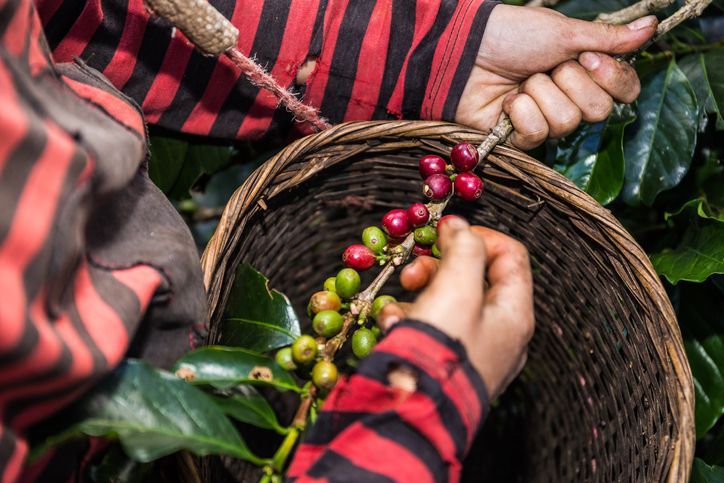
Bajawa Arabica from Flores, East Nusa Tenggara, is one of Indonesia’s most approachable single origins for modern roasters. It is known for a clean cup, balanced sweetness, and a flavor profile that can satisfy both first time specialty drinkers and experienced buyers. For B2B customers, Bajawa is also attractive because it can be positioned clearly: highland Arabica from volcanic terrain with consistent, crowd pleasing notes.
At Le Green Coffee, we treat Bajawa as a dependable single origin option for cafes, roasteries, and trading partners who want Indonesian coffee that is easy to communicate, easy to roast, and versatile across brew methods. If you are evaluating origins for a seasonal menu or a core espresso component, Bajawa is worth a serious look.
Where Bajawa coffee comes from
Bajawa coffee is associated with the Ngada region in Flores. Many farms sit in highland areas around 1,000 to 1,500 meters above sea level. This altitude range is often considered ideal for Arabica because cooler temperatures can slow cherry development and support better density and cup complexity.
Another key element is the volcanic environment. Volcanic soils and mineral rich terrain are frequently linked with expressive aromatics and layered sweetness. While every lot is different, Bajawa is widely recognized for producing cups that feel structured and “complete” rather than sharp or one dimensional.
Typical cup profile: clean, sweet, and balanced
Bajawa is often described as a balanced single origin with a clean finish. In practical terms, that usually means it performs well in cupping and translates reliably to brew bars.
Common sensory descriptors include:
• Fruity and sweet impressions, sometimes described as tropical fruit, berry like notes, green apple, or lemon
• Floral aromatics that lift the cup without becoming perfumy
• Nutty and caramel sweetness that gives a round, comforting base
• Medium acidity that feels lively but not aggressive
• A smooth finish with minimal harsh bitterness
• Body that tends to be balanced, not too heavy, not too thin
For roasters, this profile can be a strategic advantage. It allows you to offer a single origin that appeals to a wide audience, while still being distinctive enough to justify a specialty positioning.
Why altitude and climate matter for Bajawa
High elevation production is one of the easiest parts of Bajawa’s story to communicate. Farms in the 1,000 to 1,500 masl range often experience cooler temperatures and stable highland conditions. These factors can support slower maturation, which may help develop sweetness and aromatic complexity.
Bajawa’s climate is also frequently described as cool, with balanced rainfall patterns. When combined with volcanic soils, it creates a growing environment that many buyers associate with quality and consistency.
Farming practices: shade grown and agroforestry
A notable aspect of Bajawa’s identity is the prevalence of traditional, environmentally friendly farming approaches. Many farms are shade grown, with coffee planted under larger trees. This kind of agroforestry system can help moderate temperature swings, protect soil moisture, and support biodiversity.
From a buyer perspective, shade grown and agroforestry narratives can also align with sustainability focused positioning. Even when a lot is not marketed under a formal certification, the underlying practices can still be relevant to customers who care about responsible sourcing.
Harvest and quality: selective picking matters
Bajawa coffee is often harvested manually, with farmers selecting ripe cherries. Selective picking is one of the most important quality levers in specialty coffee because underripe or overripe cherries can introduce astringency, fermenty notes, or uneven sweetness.
For B2B buyers, it is useful to ask suppliers about harvest protocols, sorting, and post harvest handling. A strong lot story is not only about origin, but about the discipline applied to cherry selection and processing.
Processing: washed clarity and repeatability
Washed processing is commonly associated with Bajawa and is a major reason the cup can feel clean and clear. In washed coffees, fruit is removed and fermentation and washing steps help reduce mucilage before drying. The result is often higher clarity, more defined acidity, and a cleaner finish.
For roasters who prioritize repeatability, washed Bajawa can be a safe choice. It tends to behave predictably across roast profiles and can be easier to dial in for filter menus.
That said, processing can vary by producer and season. If you are buying for a production program, it is worth requesting lot level information and sample roasting to validate how the coffee performs.
Brewing recommendations: how to showcase Bajawa
Because Bajawa is balanced, it can be used across multiple brew methods. The best method depends on what you want to highlight.
1. Pour over and V60
o Emphasizes clarity, fruity and floral aromatics, and medium acidity
o Works well for cafes that want a clean, transparent cup
2. French press
o Highlights sweetness and body
o Can make nutty caramel notes feel more prominent
3. Tubruk
o Useful for exploring the coffee’s base character and mouthfeel
o Can be a culturally relevant way to present Indonesian origins
4. Espresso
o Often brings out chocolate, caramel, and a rounded sweetness
o Medium acidity can keep the shot lively without being sharp
If you are a roaster, consider building a simple internal evaluation workflow: cup the green sample, do a light sample roast, then test at least one filter method and one espresso profile. Bajawa often rewards small roast adjustments rather than extreme experimentation.
How to position Bajawa on your menu
Bajawa is a strong candidate for a “gateway” single origin. It is distinctive, but not polarizing. This makes it useful for:
• A rotating single origin for retail bags
• A seasonal filter feature
• A single origin espresso for cafes that want a sweet, approachable profile
• A component in a blend when you want sweetness and balance
For marketing copy, focus on clarity and balance. Customers often respond well to simple, honest descriptions such as “sweet, clean, and smooth,” supported by a few specific notes like caramel, nutty, and citrus.
What B2B buyers should ask before purchasing
If you are sourcing Bajawa at scale, do not rely only on origin name. Ask for lot specific details that reduce risk and improve predictability.
A practical checklist:
• Exact origin details: region, village, and altitude range
• Processing method and drying approach
• Harvest window and storage conditions
• Green grading information if available
• Sample availability and consistency across lots
These questions help you compare offers from different partners and avoid surprises when you move from sample to production.
Why work with Le Green Coffee
Le Green Coffee is focused on connecting buyers with Indonesian origins through clear communication, quality control discipline, and practical order options. We work with farmers and partners across Indonesia and prioritize coffees that can meet roaster expectations for consistency.
If you are looking for an Indonesian Coffee Supplier that can support your evaluation process, we can provide samples, discuss your target profile, and help you choose a lot that fits your menu goals.
Request a Bajawa sample
If you want to test Bajawa for your roastery or cafe program, start with a sample and a clear target. Le Green Coffee can support your cupping and decision process so you can launch Bajawa with confidence.
Sources:
• https://www.empocoffee.id/kopi-bajawa/
• https://www.sombra-coffee.id/artikel/mengenal-ciri-khas-kopi-arabica-bajawa-flores
Other Articles
Basic of Coffee
The Harvest Moment: Why Coffee Quality Peaks on the Tree
Future of Coffee