Guatemala is one of the world’s most recognized arabica origins, and any shift in its production outlook tends to ripple through buying plans across specialty and commercial markets. A recent USDA Foreign Agricultural Service country report, summarized by Daily Coffee News, forecasts that Guatemala’s total green coffee production will rise in market year 2026/27 as renovated arabica plantings mature and harvested area expands. For roasters, importers, and traders, the headline is positive, but the details matter. Production gains do not automatically remove risk, and they do not guarantee that availability, pricing, or quality will be stable week to week.
What the forecast says in plain terms
According to the report cited by Daily Coffee News, Guatemala’s total green coffee production is forecast to rise to 3.26 million 60-kilogram bags in 2026/27. This represents a 3.3% increase from the USDA estimate of 3.155 million bags in 2025/26. Exports are also forecast to rise, reaching 3.2 million bags, up 7.4% from 2.98 million bags in 2025/26.
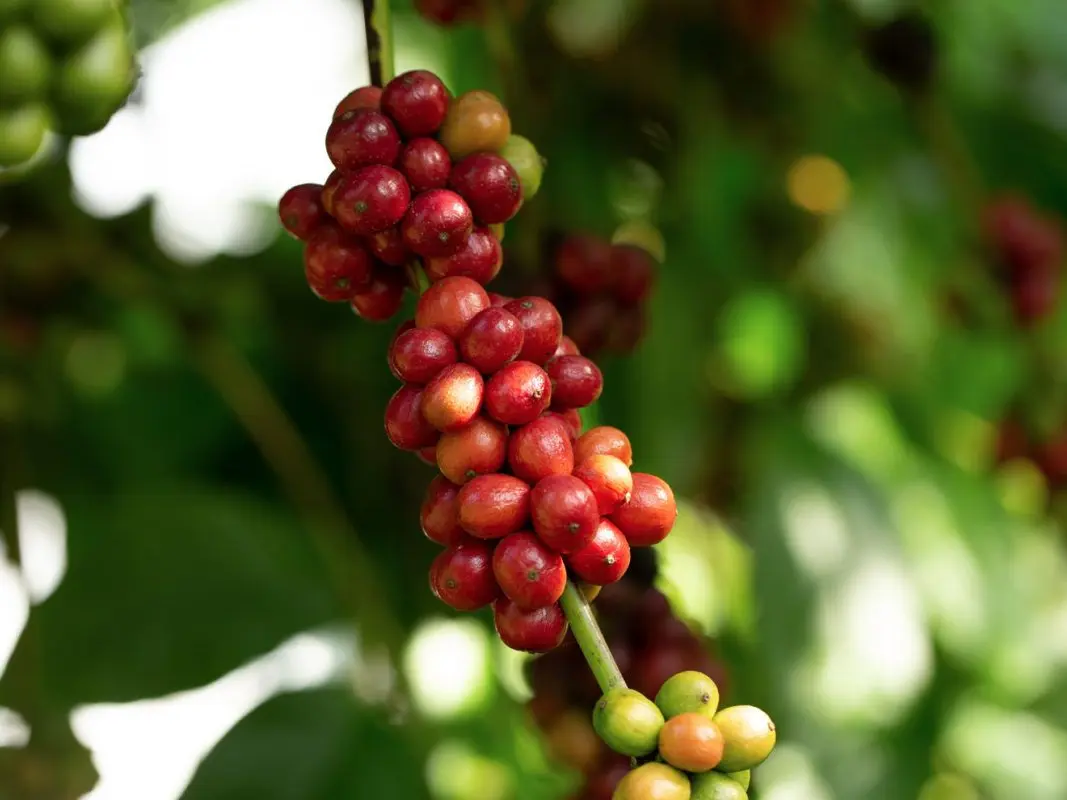
The key driver behind the increase is structural rather than sudden. Guatemala has been renovating plantations, and more of those trees are now reaching productive age. Harvested area is forecast to increase 2% to 345,000 hectares, and the number of bearing trees is expected to rise from 1.628 billion to 1.662 billion.
In other words, the forecast is based on more trees producing and slightly more land being harvested, not on a one-time weather event or a short-term surge.
Arabica remains dominant, with robusta steady
Guatemala remains overwhelmingly an arabica origin. The report indicates arabica accounts for about 98% of planted area and 96% of total production. Robusta production is forecast to hold steady at approximately 130,000 bags.
For buyers, this matters because arabica-heavy origins often experience stronger price sensitivity and quality differentiation across regions and lots. It also means that Guatemala’s production story is closely tied to arabica agronomy issues, including disease pressure and the performance of renovated varieties.
Renovation and rust-tolerant hybrids are changing the landscape
About one-third of Guatemala’s arabica farms have been renovated with rust-tolerant hybrids, supporting long-term supply resilience. However, new plantings take time to mature and may affect cup quality, consistency, and availability differently across regions and seasons.
Yield improvements exist, but weather and pests still matter
The report projects yields of 9.45 bags per hectare in 2026/27, up from 9.33 in 2025/26, though below 9.67 in 2024/25. The report also emphasizes that yields remain sensitive to weather, pests, and disease pressure.
This is a key point for procurement teams. A modest yield improvement does not eliminate volatility. It suggests that the baseline is improving, but the ceiling and floor are still influenced by factors that can change quickly.
Disease and pest pressure remain real constraints
The 2024/25 harvest reportedly saw elevated coffee leaf rust, with incidence reaching up to 20% from January through March amid higher moisture and temperatures. The Guatemalan national coffee association ANACAFE also reported the presence of the coffee branch and stem borer (Xylosandrus compactus) in September 2025 in multiple growing regions.
For buyers, this is not just a farm-level issue. Disease and pests can affect:
• Availability, as farms may lose part of their harvest
• Timing, as picking and processing schedules can shift
• Pricing, as supply tightness or risk premiums increase
If your business relies heavily on one origin, these pressures can show up as sudden changes in offer lists, delayed shipments, or inconsistent availability across grades.
Higher prices help, but input costs can offset the benefit
Higher coffee prices have helped producers invest in nutrition and disease control programs, but rising fertilizer, chemical, and oil costs continue to pressure farm economics. This highlights a key challenge in coffee supply chains: stronger market prices do not always translate into higher farm profits, and cost pressures can still create supply risks for buyers.
Export outlook and key destinations
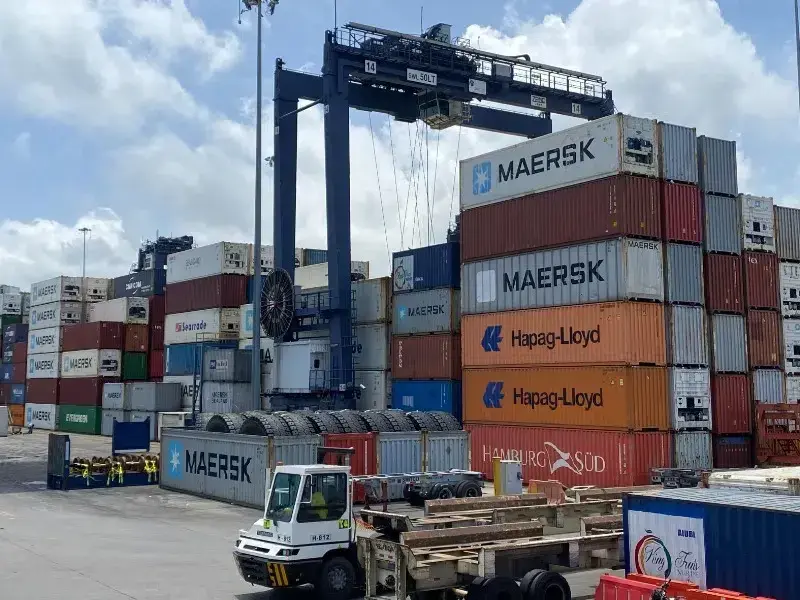
Exports are forecast to rise to 3.2 million bags in 2026/27, including 2.88 million bags of green coffee. Green coffee is expected to represent about 90% of Guatemala’s total coffee exports, while soluble exports continue to grow.
The United States remains Guatemala’s largest destination, accounting for 42% of exports, followed by Japan, Canada, Belgium, Italy, and South Korea.
For buyers outside the U.S., this destination mix matters because it can influence competition for certain grades and profiles. If a large share of supply is consistently absorbed by a dominant market, other buyers may experience tighter availability during peak contracting periods.
What this means for green coffee buyers
A production increase is good news, but it should be interpreted as a signal to plan, not a reason to relax.
1) Expect gradual improvement, not instant abundance
Because the forecast is driven by maturing trees and renovation, the improvement is likely to be gradual. Buyers should still expect seasonal tightness, regional variation, and lot-to-lot differences.
2) Watch agronomy risk as closely as headline production
Leaf rust and pest pressure can change quickly with weather. Even with higher bearing tree counts, disease can reduce effective supply. Procurement planning should include scenario thinking, especially if you are contracting for specific flavor profiles or strict grade requirements.
3) Use origin diversification as a practical risk tool
If your portfolio is heavily concentrated in one origin, a single season of disease pressure or weather disruption can affect your entire offer strategy. Diversification does not mean replacing Guatemala. It means complementing it.
This is where Southeast Asian origins, including Indonesia, can play a strategic role. An Indonesian Coffee Supplier can provide alternative profiles, processing styles, and shipment windows that help smooth risk.
Why this matters for buyers considering Indonesia
Indonesia is not a substitute for Guatemala’s classic Central American profiles, but it can be an effective complement in a diversified green coffee program. Indonesia offers a wide range of origins and processing methods, and it can support both specialty and commercial needs.
Le Green Coffee works as an Indonesian Coffee Supplier focused on connecting buyers with suitable lots across Indonesia while supporting long-term relationships with producers. For buyers who want to reduce exposure to single-origin volatility, Indonesia can provide:
• Multiple origin options across the archipelago
• Diverse processing methods that fit different product lines
• Flexible purchasing pathways, from sampling to bulk
When Central American supply tightens or becomes unpredictable due to disease pressure or cost shocks, having an additional origin channel can protect your production schedule and your customers’ expectations.
Request samples from Le Green Coffee
If you are exploring alternative or complementary origins for your 2026/27 buying plan, Le Green Coffee can share current availability and help you identify Indonesian lots that fit your roasting goals and target price points.
Reference
https://dailycoffeenews.com/2026/05/12/guatemala-coffee-report-production-up-as-arabica-plantings-mature/