Future of Coffee, Trending Coffee
A Promising New Coffee Hybrid: What It Could Mean for the Future of Specialty Coffee
Published: May 28, 2026 09:57 AM
Written by: Admin
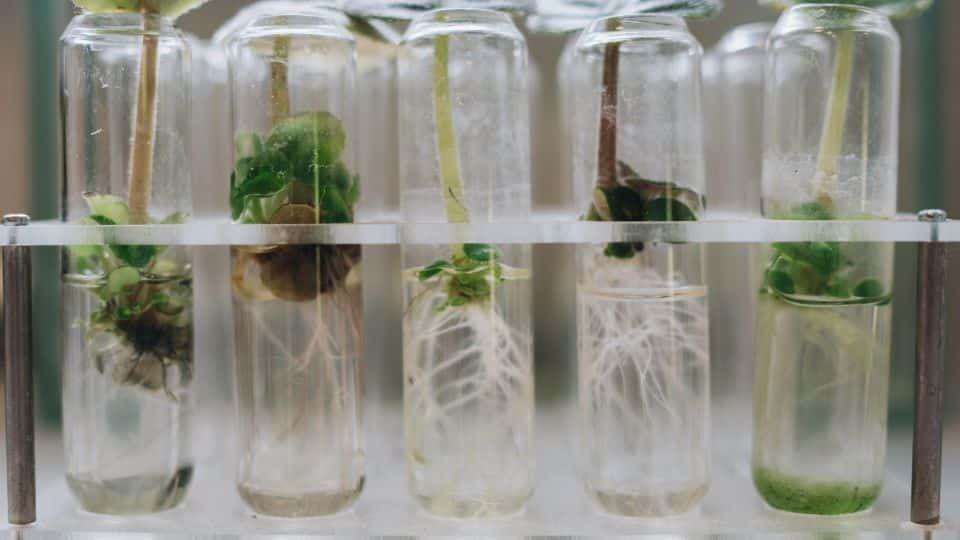
Researchers at Royal Botanic Gardens, Kew recently shared news about a promising new coffee hybrid. For anyone working in green coffee, this kind of discovery is more than just a science headline. It reflects how seriously the coffee industry is responding to challenges like climate change, plant disease, and long-term supply stability.
As weather patterns become less predictable and farming conditions continue to change, many traditional coffee varieties are under pressure. New hybrids are being developed to improve resilience, productivity, and disease resistance while still maintaining quality in the cup. For producers, this could help reduce farming risks. For buyers and roasters, it may influence future sourcing options, flavor profiles, and consistency.
At Le Green Coffee, we pay attention to these developments because our role is to connect farmers and buyers with the right expectations, timelines, and origin possibilities. Understanding how coffee varieties continue to evolve helps us support smarter sourcing decisions and better long-term planning.
If you are a roaster, trader, or brand sourcing from Indonesia, staying informed about these innovations matters. New hybrids may not change the market overnight, but they are part of the larger conversation about the future of coffee and how the industry adapts to a changing environment.
What is a coffee hybrid?
A coffee hybrid is a cross between two different coffee plants, often created to combine desirable traits. Depending on the parent plants, a hybrid can be developed to improve:
• Resilience to heat, drought, or irregular rainfall
• Resistance to certain pests and diseases
• Yield and farm productivity
• Cup potential, depending on genetics and growing conditions
Hybrids are not automatically “better” than well-known coffee varieties. They are tools designed to address specific challenges like climate resilience, disease resistance, or productivity. Some hybrids become widely adopted because they perform consistently and maintain good cup quality, while others remain experimental or only succeed in certain environments.
Because coffee growing conditions vary greatly between regions, new hybrids often require years of field testing before becoming commercially relevant. Researchers and producers need to evaluate how the plants perform across different harvests, climates, and processing methods before they are widely introduced to the market.
Why new coffee hybrids matter right now
Coffee is facing a tough reality: climate volatility is increasing, and many producing regions are experiencing shifting rainfall patterns, higher temperatures, and more frequent extreme weather. At the same time, the global market still expects consistent supply.
New hybrids are one of the ways researchers and producers try to protect the future of coffee by improving plant performance under stress. When institutions like Kew Gardens highlight a new hybrid, it often points to a bigger theme: the industry is investing in coffee genetics as a long-term strategy.
What could change for buyers and roasters
Even if a new hybrid is not available commercially tomorrow, it can still influence the market in meaningful ways.
1) Long-term supply stability
If hybrids help farms stay productive under tougher conditions, that can reduce supply shocks over time. For buyers, this could mean:
• More predictable availability from certain regions
• Less extreme year-to-year volatility
• More options for long-term sourcing relationships
That said, adoption takes time. Farmers need access to seedlings, training, and confidence that the plant will perform well in their local environment.
2) Shifts in origin competitiveness
Some origins may benefit more quickly from climate-resilient hybrids than others. If a hybrid performs well in certain altitudes and microclimates, it could strengthen the competitiveness of those regions.
For Indonesia, this is especially interesting because the country has diverse growing environments across islands and elevations. That diversity creates opportunities for experimentation, but it also means results will vary by region.
3) More questions about transparency and traceability
As new hybrids enter the conversation, buyers may start asking more detailed questions about genetics and plant material. This is not only about curiosity. It affects how roasters communicate their coffee story, how brands label their offerings, and how sourcing teams compare lots.
In practical terms, the future may include more frequent discussions about:
• What plant material is being used
• How it performs in specific conditions
• How it is being introduced to farming communities
Indonesia context: why this topic is relevant here
Indonesia is one of the world’s most important coffee origins, with a strong reputation across both commercial and specialty segments. It also faces real climate and farming challenges, including unpredictable weather and pressure on farm economics.
A promising new coffee hybrid matters to Indonesia because it raises strategic questions:
• Could new plant material help protect farmer livelihoods?
• Could it support consistent production in regions under climate stress?
• Could it open new flavor possibilities for future lots?
At the same time, it is important to be realistic. A research discovery is not the same as a ready-to-scale solution. The path from “promising hybrid” to “widely available green coffee” can take years.
What to watch next (and what we do not know yet)
When you see headlines about a new coffee hybrid, a smart approach is to separate what is confirmed from what is still unknown.
What we can usually say early
• The hybrid is being highlighted because it shows potential in one or more key traits
• Researchers are paying attention to resilience and long-term viability
• The industry is actively exploring genetics as a response to climate pressure
What typically takes time to prove
• How the plant performs across different regions and altitudes
• Whether farmers can adopt it cost-effectively
• Whether it scales without creating new risks
• How it behaves across multiple harvest cycles
For buyers, this is not a reason to wait. It is a reason to stay informed and build sourcing strategies that can adapt.
What this means for sourcing decisions today
A new hybrid discovery should not replace your current sourcing plan. Instead, it can help you refine your strategy.
Consider these actions:
1. Diversify origins and harvest windows to reduce risk from localized climate events.
2. Build long-term relationships with suppliers who are close to producers and can share real on-the-ground updates.
3. Stay flexible on profiles and components if you are building blends or seasonal rotations.
If you are sourcing from Indonesia, working with an Indonesian Coffee Supplier that understands both farmer realities and buyer requirements can make a big difference.
At Le Green Coffee, we see our role as a bridge between Indonesian producers and buyers who need reliable green coffee supply. We follow industry research and market signals, including developments in coffee genetics, because they shape what “future-ready sourcing” looks like.
If you want to discuss Indonesian origins, processing options, and sourcing plans for your next season, we are happy to support.
Request samples and discuss sourcing
Looking for an Indonesian Coffee Supplier for specialty or commercial green coffee?
Reach out to Le Green Coffee to request samples and talk through your sourcing needs, target profiles, and shipping timelines.
Other Articles
Basic of Coffee
Robusta “Will Save Coffee” Might Be Oversimplified - Here’s What The Study Suggests
Future of Coffee, Trending Coffee