Coffee headlines often sound like distant weather reports: production up here, exports down there, policy changes somewhere else. But for roasters, traders, and sourcing teams, these updates are rarely “just news.” They are early signals about how supply will behave, where competition will tighten, and which origins are positioning themselves for premium demand.
A recent USDA-backed report highlighted a clear trend in Tanzania. Green coffee production is forecast to rise in 2026/27, driven by farm rehabilitation reaching maturity and renewed investment at the farm level. On the surface, that is a Tanzania story. Underneath, it is a global origin story that also matters for Indonesia and for any buyer trying to build a resilient sourcing plan.
The real story behind Tanzania’s production increase
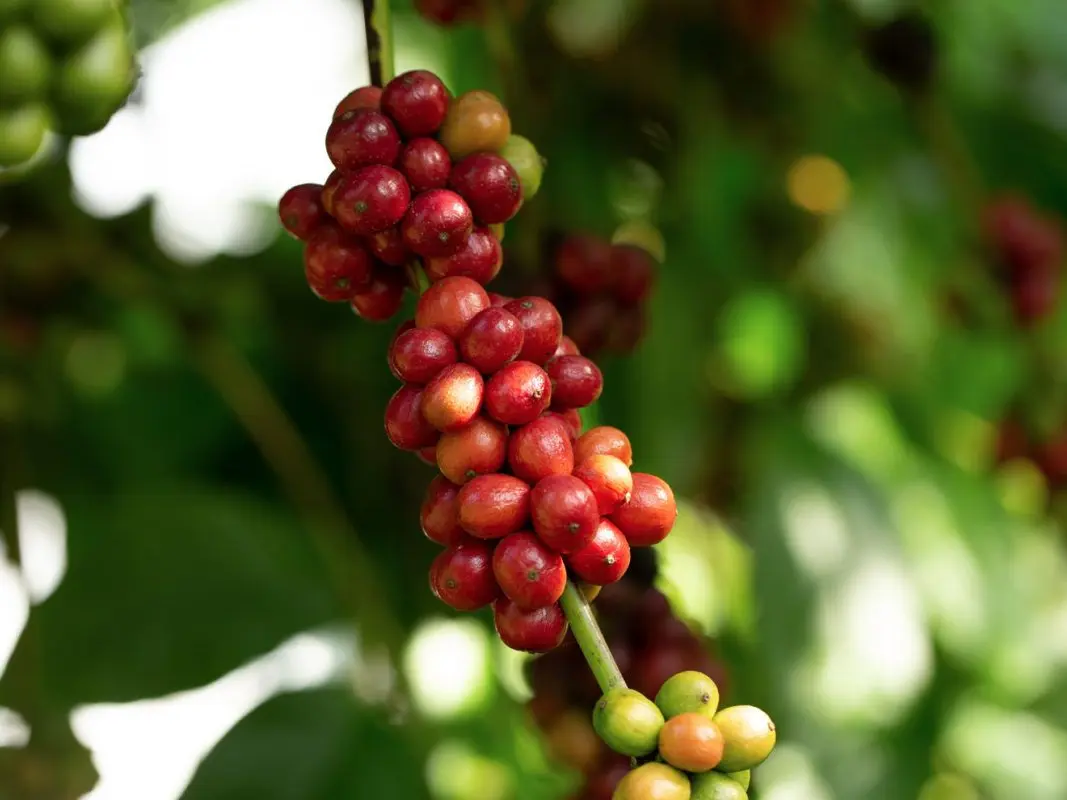
Tanzania’s forecasted production growth is not framed as a sudden boom. It is described as the result of rehabilitated fields from 2019 to 2024 reaching maturity, supported by favorable weather and strong prices that encourage farmers to invest.
That detail matters.
When an origin’s production rises because trees mature after rehabilitation, it usually points to:
• Longer-term planning at farm level, not just opportunistic expansion
• Improved farm productivity, meaning better yields per hectare
The report also notes that strong global demand and pricing are encouraging farmers to expand plantings, improve fertilizer use, and invest in equipment. In other words, the market is rewarding investment, and investment is translating into volume.
For buyers, this kind of growth tends to create a short-to-medium window where:
• More coffee is available, often across a wider range of grades
• Exporters compete harder for relationships and contracts
Policy momentum: when governments push supply to meet premium demand
Another key theme in the Tanzania report is policy reform: climate-resilient varieties, stronger disease control, digitalized auctions, and tighter export licensing.
Whether you love or hate policy changes, they often reshape how coffee moves through the supply chain. Digital auctions can change price discovery. Licensing can change who is able to export and how quickly. Seedling distribution programs can change what gets planted, and what will be available years from now.
For buyers, policy momentum is a reminder that origin competitiveness is not only about terroir. It is also about:
• How efficiently coffee can be aggregated and exported
• How quickly an origin can adapt to climate and regulatory pressure
This is one reason origin reports are worth reading even when you do not buy from that country. They show you what prepared looks like.
Why this matters even if you do not buy Tanzania
If you are sourcing green coffee, you are not just buying beans, you are buying into a system.
Tanzania’s story highlights a pattern we see across origins:
1. Farm investment rises when market signals are strong
2. Export markets respond, and EU demand remains significant in Tanzania’s case
This pattern is relevant to Indonesia because Indonesia is also navigating a future where supply stability, farm investment, and market access will determine which exporters and suppliers can serve serious buyers consistently.
And for buyers, it reinforces a simple truth. The best sourcing relationships are built before the market gets tight.
Indonesia’s advantage: diversity of origins, processing, and buyer fit
Indonesia is not one origin. It is a network of micro-regions, harvest calendars, processing traditions, and logistics realities. That diversity is a strength, but it also means buyers need an Indonesian Coffee Supplier who can translate complexity into clarity.
At Le Green Coffee, we work to connect buyers with Indonesian lots that match specific needs, whether that is a clean, consistent washed profile for blends, a distinctive regional character for single-origin programs, or commercial-grade supply for industrial use.
Indonesia’s diversity shows up in:
• Regions such as Java, Aceh Gayo, and Flores
• Processing methods such as washed, natural, honey, and wet-hulled
The Tanzania report is a useful mirror here. When farm investment and policy alignment improve, origins become more competitive. Indonesia’s competitiveness is already strong, but the winners in the next cycle will be suppliers who combine origin access with operational readiness.
The buyer signal: production rises do not automatically mean easy buying
A production increase can sound like good news for buyers. But in practice, rising production often creates new competition.
Here is why:
• More volume attracts more buyers, especially when an origin becomes talked about
• Premium markets can absorb a large share of exportable supply, as the EU does in Tanzania’s case
So the buyer opportunity is not to wait for prices to drop. The opportunity is to:
• Secure relationships early
• Align specs and timelines before peak demand
This is also where Indonesia can be a strategic part of a portfolio. Because Indonesia offers multiple regions and processing styles, buyers can design a sourcing plan that is less dependent on a single origin’s cycle.
Le Green Coffee’s approach: building supply that matches real-world buying
Le Green Coffee was built for buyers who want Indonesian coffee with a professional, export-ready approach without losing the connection to producers.
As an Indonesian Coffee Supplier, our work is centered on bridging two realities:
• What producers can sustainably deliver
• What buyers actually need, including specs, volumes, timelines, and documentation
We support sourcing across a wide quality spectrum, from commercial to specialty, because many buyers do not operate in only one category. A roaster may need a flagship micro-lot and a dependable base component. A trader may need container-scale supply and smaller lots for market testing.
That flexibility becomes more valuable when the global market is volatile.
Tanzania’s report is a reminder that supply shifts are often the result of multi-year changes. Buyers who treat origin news as background noise tend to react late. Buyers who treat it as a signal tend to secure better options.
A practical way to use origin reports in your sourcing strategy
If you want to turn origin reports into a real advantage, use them like a quarterly sourcing radar.
When you read a report like Tanzania’s, look for these cues:
1. Is production rising because of maturity and rehabilitation, or because of short-term expansion
2. Which varieties and regions are driving growth
3. What policy shifts could affect trade flow
Then apply the same lens to Indonesia:
• Which regions are expanding or consolidating
• Which processing styles are gaining traction with buyers
• Where investments are being made at farm and mill level
This is exactly the kind of context Le Green Coffee helps buyers navigate, so you can source Indonesian coffee with fewer surprises.
The market rewards preparedness
Tanzania’s rising production is good news for Tanzania, and potentially good news for buyers. But the deeper lesson is broader. Origins that invest early become more competitive later.
Indonesia is already one of the world’s most important coffee producers, and the next wave of competitiveness will be defined by how well suppliers can connect farm realities to buyer expectations.
If you are building a 2026/27 sourcing plan and want an Indonesian partner who can help you navigate multiple regions, processing methods, and order sizes, Le Green Coffee is here to support.
Request samples, discuss specs, or explore Indonesian lots that fit your program.
Sources
• https://dailycoffeenews.com/2026/06/01/tanzania-coffee-report-production-rising-amid-farm-investments/